5 guidelines for strength training in pregnancy…
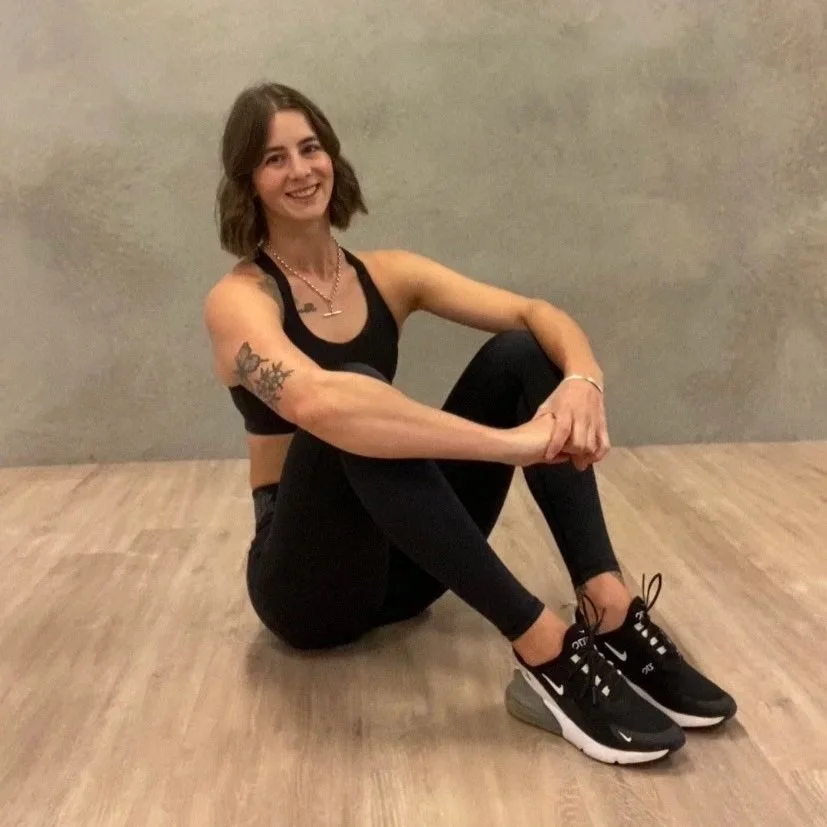
This blog is kindly written by Hayley Fever, Personal Trainer and new mum!
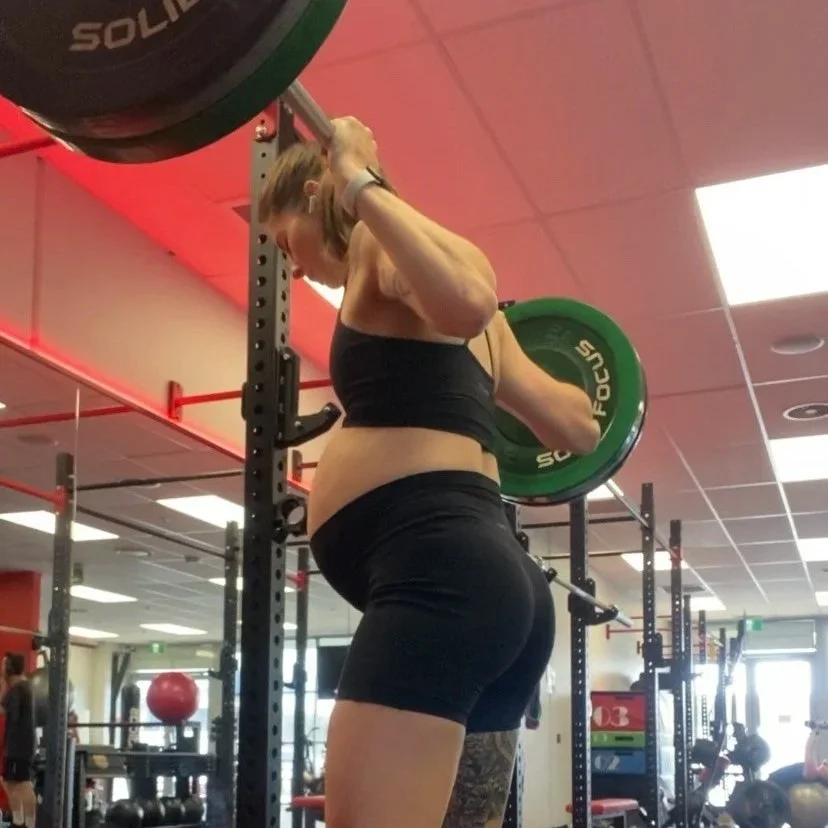
It can feel a little confusing to understand the wealth of information out there on strength training. But here are some evidence based but practical guidelines to help…..
Prioritise breathing and pressure management:
How you breathe matters more than how much you lift. Breathe continuously with control throughout the whole movement, do not hold your breath. Exhale gently on exertion. Good pressure management helps protect the pelvic floor, improves core support and reduces unnecessary fatigue.
Train at moderate intensity:
Pregnancy is not the time to chase max lifts and personal bests. Work around effort 7/10, you should always have reps left in reserve. You should be able to talk in short sentences and recover quickly, not feel completely breathless or struggle to catch your breath back. Focus on quality movement rather than pushing the amount and remember that consistency beats intensity during pregnancy.
Know when to stop or adapt:
Be flexible and responsive to daily changes. Energy levels and symptoms fluctuate. Some days you will feel great and others you won’t so listen to your body. Modify load, volume, or exercise selection as needed. Rest more on high-fatigue days. If you feel pain, dizziness, leaking or pressure it’s your body telling you something doesn’t feel right so it’s a good sign to modify or stop. Remember that progress during pregnancy often looks like maintaining strength, not increasing it.
Choose positions that support comfort and circulation:
As pregnancy progresses certain positions can become uncomfortable or restrictive. Be sure to limit remove lying flat on your back from 28 weeks of pregnancy. But you can try incline, side lying, seated or standing positions instead. You can also adjust your stance width and range of motion as much as needed. Comfortable positions allow better breathing, better technique, and safer training through pregnancy.
Focus on functional movements:
Movements such as squat, row or hip thrust are important as they support daily life. These movements build strength for lifting, carrying, and caring for a baby, both during pregnancy and postpartum.
Thanks so much to Hayley and be sure to check her socials out here.